










Our materials
Our clothes should not only look good, but also feel good. That's why we carefully select each material and focus on thoughtful design. Our basic principle: Less is more.
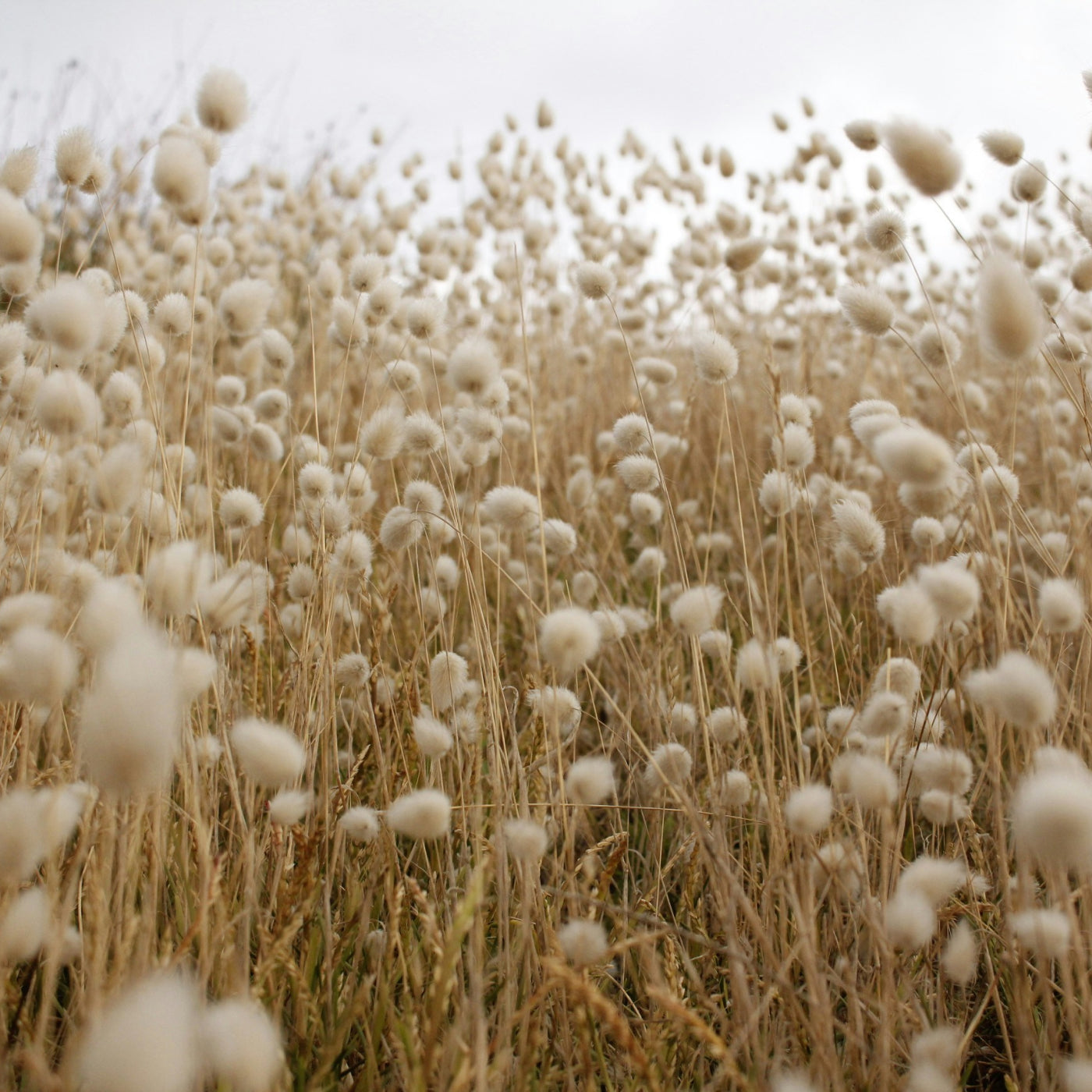
Organic cotton
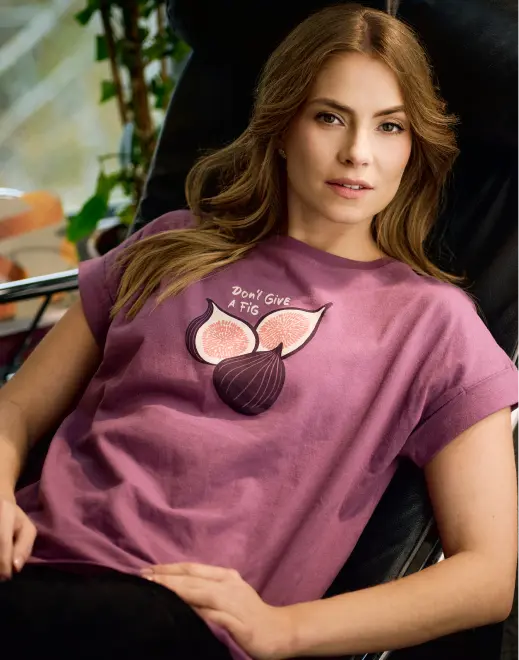
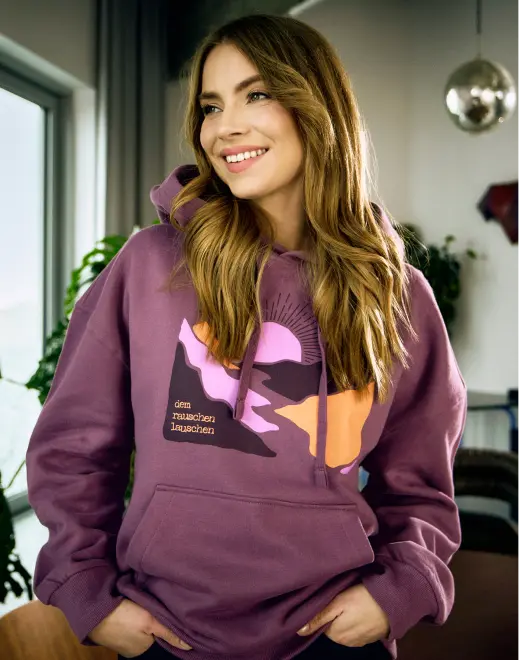
Soft, breathable and made for everyday wear: Organic cotton is our favorite material. In the field this means: no synthetic pesticides, no artificial fertilizers, no genetic engineering. Instead, rotate crops and use natural fertilizers to keep the soil fertile.
Many of our organic cotton items are also GOTS certified. You can see what these are on the respective product page.
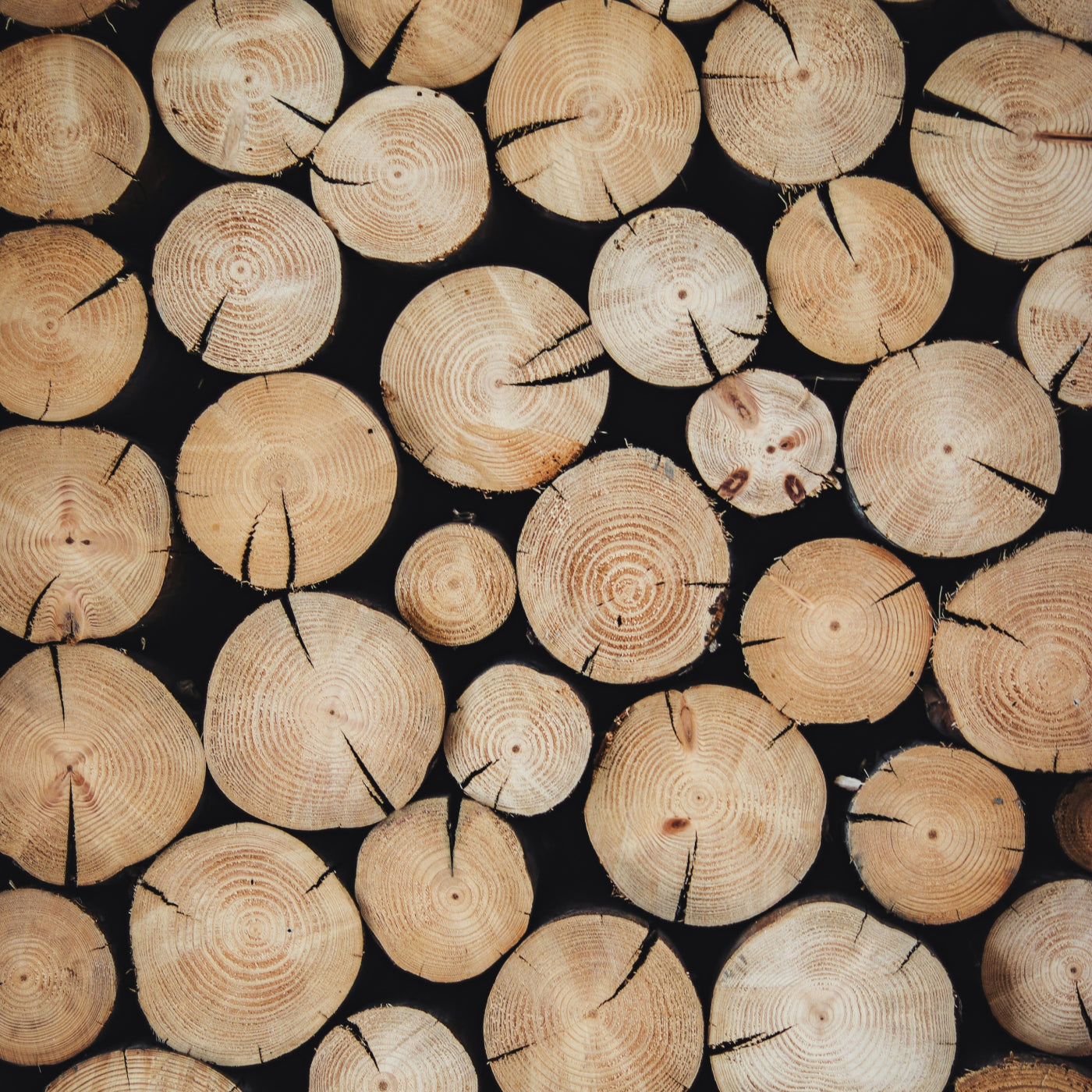
LENZING™ ECOVERO™
Our LENZING™ ECOVERO™ viscose is made from wood certified and controlled sources manufactured.
The fibers cause at least 50% less CO₂ emissions during production and use around 50% less water compared to conventional viscose.
The result is a silky, flowing fabric that feels comfortable against the skin and absorbs moisture well.
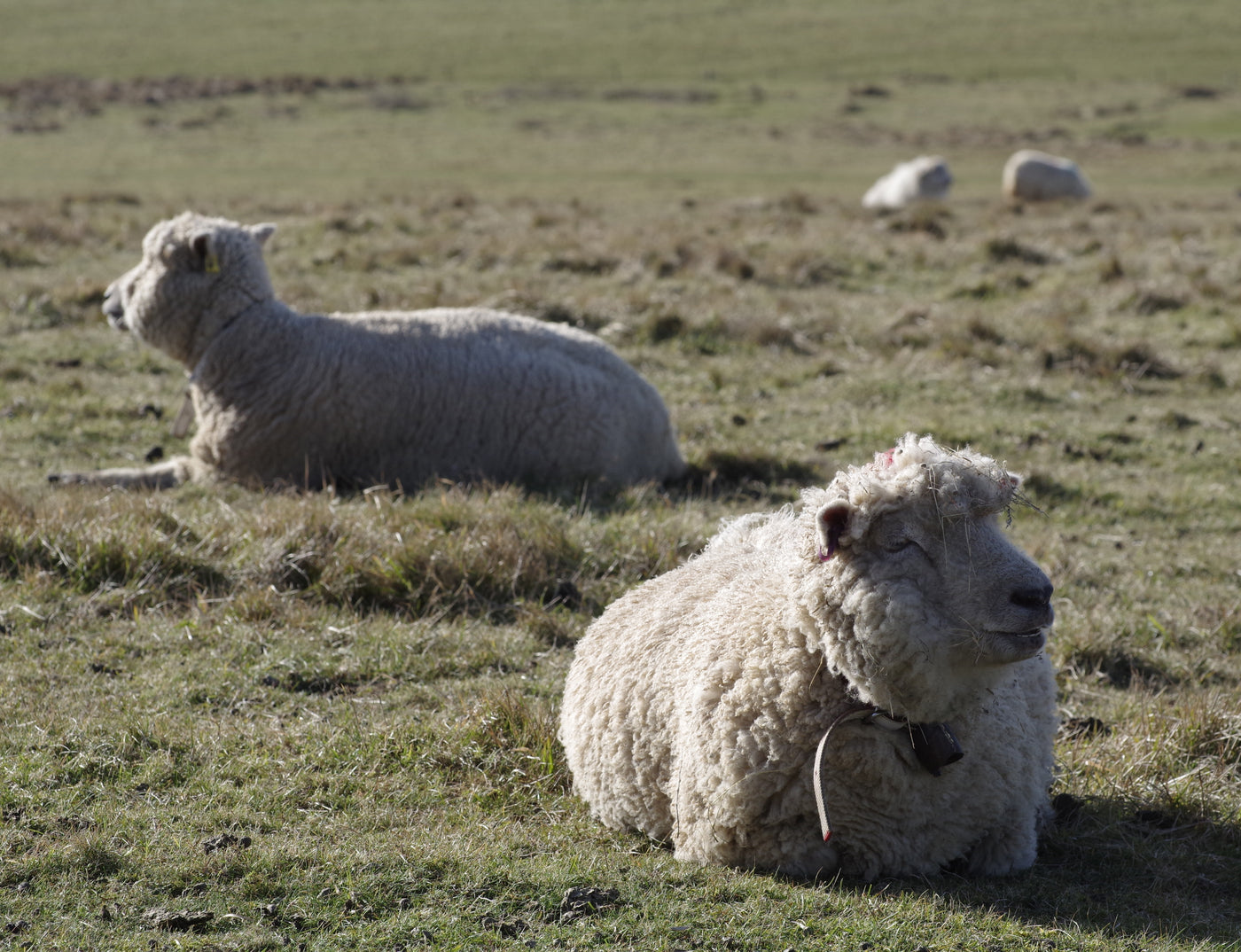
RWS certified Merino wool
Good wool starts with the sheep. Our merino wool comes from farms RWS certification (Responsible Wool Standard). That means: clear rules for animal welfare, no mulesing and regular independent controls. And the great thing about Merino: The wool stays fresh for a long time, wicks away moisture quickly and keeps you warm because the crimped fibers trap a lot of air, similar to a double pane of glass. Soft, natural and simply pleasant.
Sustainability in figures

93.3% made from at least 70% organic cotton

100% returns recycling

